
Exterior Painting: It’s All About Surface Prep

A Collaboration between Green Building Canada & Fragile Shelters Publishers
More years ago than I care to remember I spent a few months in between college semesters working for a paint manufacturer called the Glidden Company. It was an enjoyable, educational period for me. I was an intern of kind helping with new product testing. I remember one new paint called latex semi-gloss. I think back now chuckling how the adhesion of this new product was poor. If you did not fully sand or prime the surface, after about 2 to 3 days you could take your thumbnail and peel this semi gloss paint off the walls in nice clean strips, like cellophane wrapping. I understand it’s a lot better now. What I did learn from the lab techs and field reps was that the value of surface preparation cannot be underestimated and this still holds true today. While paint in general has vastly improved in coverage, durability and adhesion, the term I heard often in the test labs was “intercoatability”. This term means if the base you are applying your new coat of paint to is not stable, then your efforts applying a new coat of paint is wasted.
I have not had any inquiries about painting for some time and just recently I have had two, both asking about painting the exterior of a home. Painting a room or two inside a home takes some effort, but generally within most homeowners’ capabilities. Painting the exterior of a home takes an extensive amount of planning, surface preparation and time along with some considerable costs.
The first step any exterior painting job requires is a safe, stable work area. Cover all vegetation with lightweight drop sheets. Along the first course of siding, staple the plastic tarps to the wall to catch all the chips and scrappings.
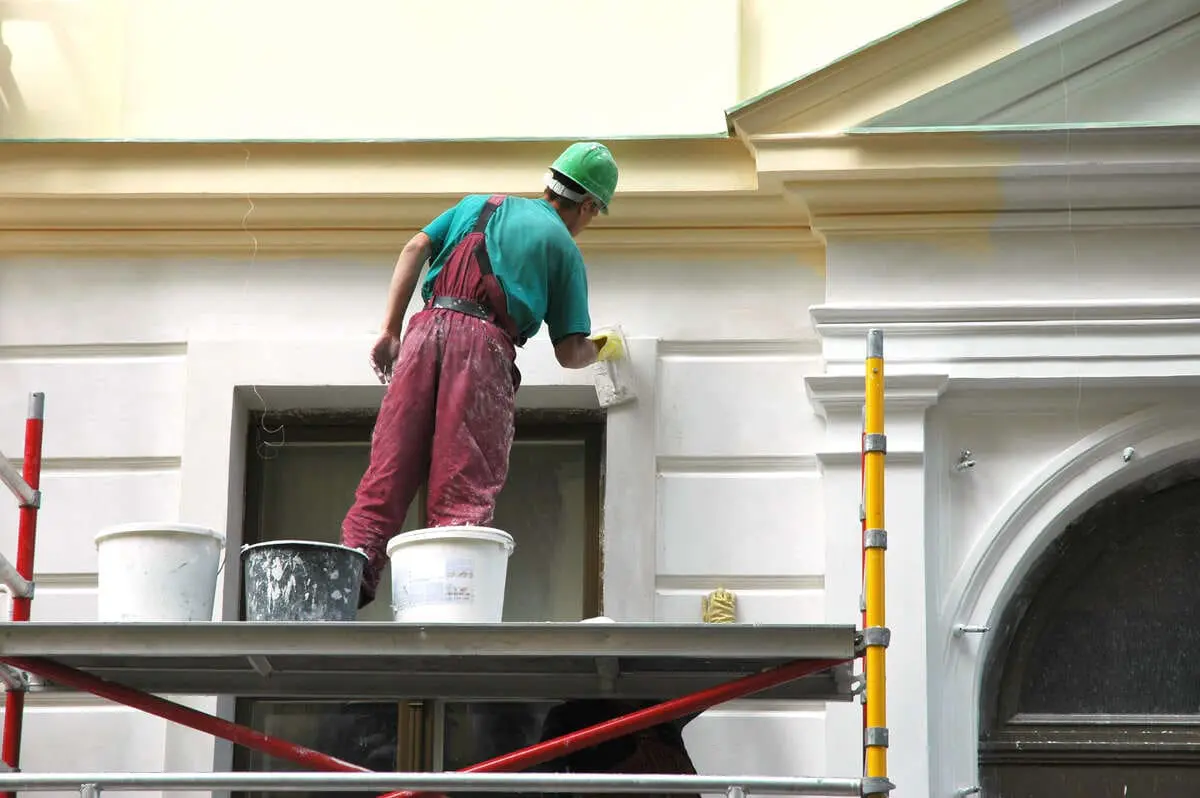
Every exterior paint job uses ladders or scaffolding. Safety is a must. The common setup for an extension ladder is ⅓ the height of the ladder is the distance the bottom should be away from the home. Most of the painting trades I knew staked their ladders and tied the base off with wire to the stakes. The rule of thumb for working on a ladder, keep your hips between the rails. If you are leaning outside this, you are overextending yourself.
More years ago than I care to remember I spent a few months in between college semesters working for a paint manufacturer called the Glidden Company. It was an enjoyable, educational period for me. I was an intern of kind helping with new product testing. I remember one new paint called latex semi-gloss. I think back now chuckling how the adhesion of this new product was poor. If you did not fully sand or prime the surface, after about 2 to 3 days you could take your thumbnail and peel this semi gloss paint off the walls in nice clean strips, like cellophane wrapping. I understand it’s a lot better now. What I did learn from the lab techs and field reps was that the value of surface preparation cannot be underestimated and this still holds true today. While paint in general has vastly improved in coverage, durability and adhesion, the term I heard often in the test labs was “intercoatability”. This term means if the base you are applying your new coat of paint to is not stable, then your efforts applying a new coat of paint is wasted.
I have not had any inquiries about painting for some time and just recently I have had two, both asking about painting the exterior of a home. Painting a room or two inside a home takes some effort, but generally within most homeowners’ capabilities. Painting the exterior of a home takes an extensive amount of planning, surface preparation and time along with some considerable costs.
The first step any exterior painting job requires is a safe, stable work area. Cover all vegetation with lightweight drop sheets. Along the first course of siding, staple the plastic tarps to the wall to catch all the chips and scrappings.
Every exterior paint job uses ladders or scaffolding. Safety is a must. The common setup for an extension ladder is ⅓ the height of the ladder is the distance the bottom should be away from the home. Most of the painting trades I knew staked their ladders and tied the base off with wire to the stakes. The rule of thumb for working on a ladder, keep your hips between the rails. If you are leaning outside this, you are overextending yourself.
If you encounter any mould you must address this before you paint as the mould will simply bleed through any paint coating you apply. Mix one cup of bleach to a gallon of water and scrub the area with a coarse brush, then rinse completely. Make sure you have proper gloves, mask and glasses on while doing this. Complete all your repairs, caulk any cracks and prime all new bare wood and areas where you have removed the old paint down to the original wood surface.
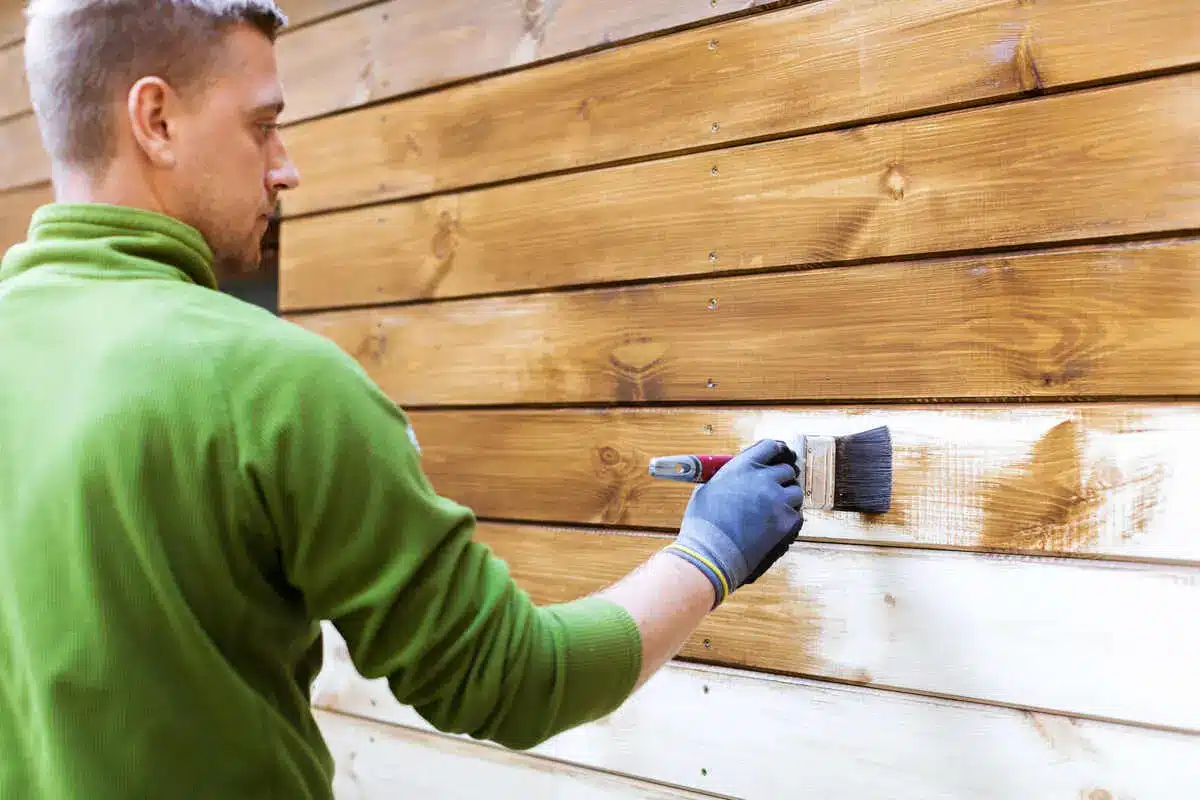
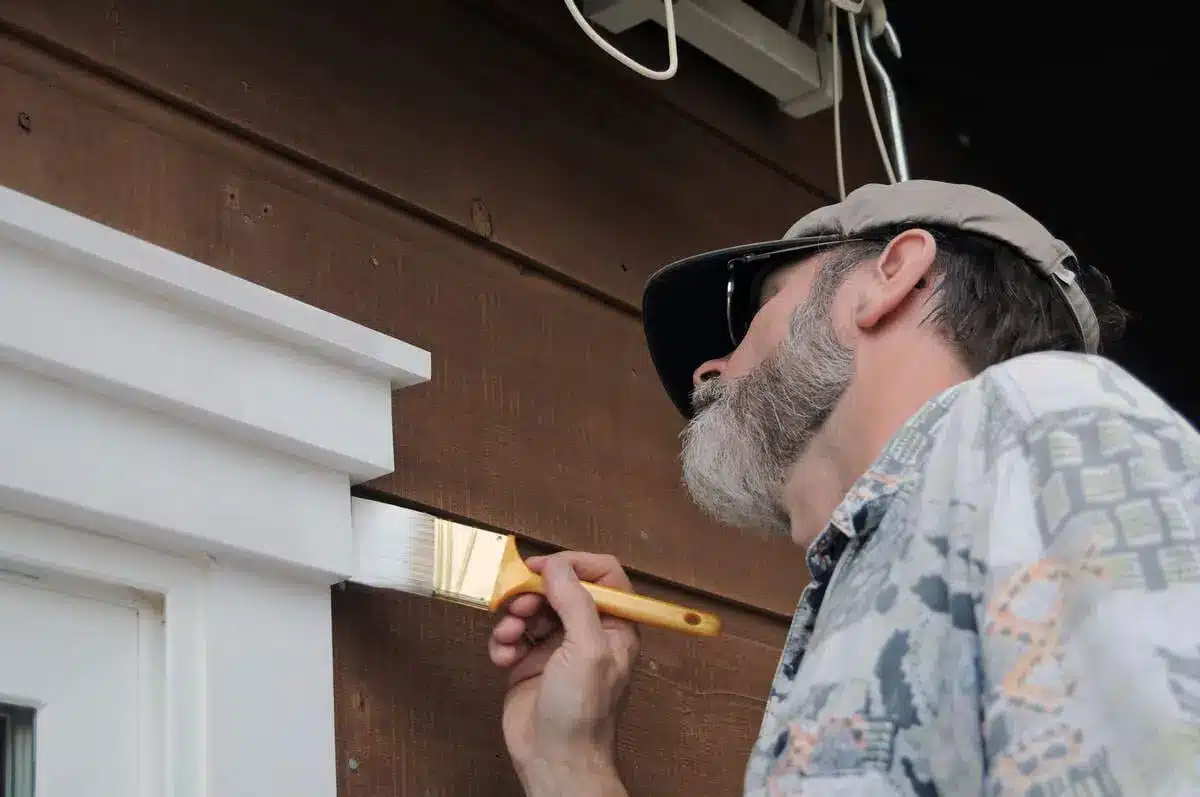
I have watched a number of good painting contractors over the years – nearly 75 percent of them used a brush application on a wood siding job, especially for the primer coat. To a trade they said the brush application worked the paint into the wood better than a spray application.
Our eastern provinces seem to have a greater percentage of wood-sided homes with amazing decorative paint finishes. If done right with a carefully chosen colour scheme applied, a fresh paint job can give a heritage home a classic, timeless look.
Lastly, painting the exterior of a home is a time consuming, skilled job. I would only recommend attempting this yourself if you are DIY experienced, prepared for strenuous, physical effort, the time to complete the job and are sure of your competency using ladders or scaffolds. The vast majority of exterior refinishing is done by professional painters with the equipment and experience.

